
By Daiqi Glasses Team · Updated August 2026
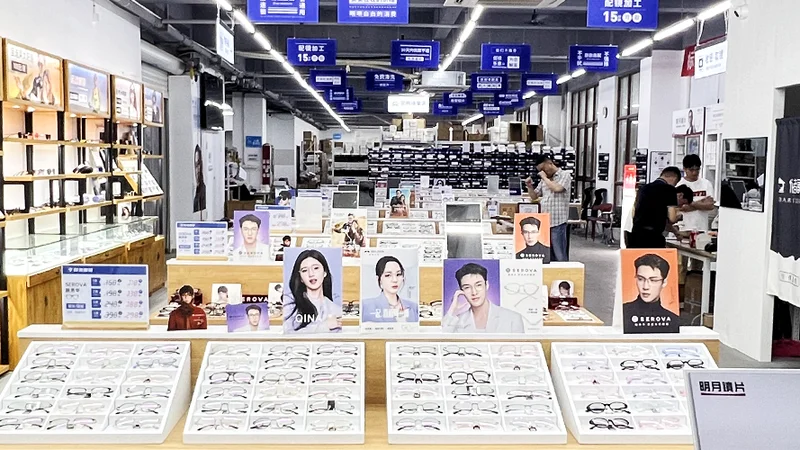
Looking for low MOQ sunglasses wholesale that does not force your store to bet a season’s budget on one style? The old retail playbook — buy deep, fill a wall, hope the trend holds — is quietly breaking. Independent optical stores, which generate roughly 40% of U.S. prescription optical retail sales, now compete in a market that rewards flexibility over volume (Warby Parker 2025 SEC filings). Small-batch customization — low minimum order quantities, mixed-batch orders and made-to-order supply — has become a practical answer. This article shows, with market data, why low-MOQ custom programs are one of the highest-leverage changes an eyewear retailer can make to its merchandising model.
Personalization in eyewear is no longer a boutique niche. Three data points frame the opportunity:
The direction is consistent: demand is shifting from standardized mass-produced frames toward differentiated, personalized product. Retailers who deliver that differentiation without carrying heavy inventory risk are best positioned to capture the premium.
Standard “commodity” custom sunglasses wholesale compete on price because they are interchangeable. A custom frame — a signature colorway, a chosen lens tint, a unique temple detail — is not. When a product cannot be found across the street, price comparison weakens and margin holds.
Three mechanisms raise average order value (AOV):
The premium is structural, not anecdotal: with 67% of consumers willing to pay 30–50% more for personalized eyewear, a store selling in the US$25–80 acetate band converts that willingness directly into gross profit per pair — without attracting a single additional visitor.
Inventory is where eyewear retailers bleed quietly. The numbers are sobering:
Under a conventional model, opening a display wall means committing to 300–500+ pairs per style to meet a factory MOQ. When a trend misses — common in fashion-forward sunwear — that capital turns into markdowns, storage and opportunity cost. McKinsey estimated unsold goods across U.S. retailers at roughly US$740 billion in 2023; much of that loss began as an overconfident purchase order.
Low MOQ sunglasses wholesale inverts the risk model:
Cash flow is the true operating system of retail. The cash conversion cycle (CCC) measures how long money sits in inventory before returning as sales: CCC = Days Inventory Outstanding + Days Sales Outstanding − Days Payable Outstanding.
Bulk purchasing stretches the cycle. Retailers often pay suppliers 30–90 days before products sell, locking working capital into the shelves (Phoenix Strategy Group). Small-batch purchasing compresses it: the gap between paying for stock and selling it shrinks from months to weeks.
For an independent optical store, the practical effects are direct:
Retail guidance is blunt: hold back roughly a quarter of the buying budget after any large order — not for emergencies, but to restock whatever sells faster than expected (The Gift Wholesalers retail guide). Small-batch supply chains make that discipline affordable.
Every optical store faces the same wall of identical imported frames. Low-MOQ custom sunglasses are the tool that breaks the sameness — and the capability that matters most is custom color programs at low volumes.
Where conventional factories require 100–300 pairs per lens color, a flexible supplier supports custom lens and frame colorways from 20 pairs per color — a 5–15x reduction in the entry barrier. This unlocks:
A store that competes on price competes on everyone’s terms. A store with exclusive product competes on its own.
Customization does not stop at the point of sale — it builds the relationship after it. The U.S. market runs on repurchase: approximately 50% of glasses wearers buy new eyewear every year, and another 33% every two years (The Vision Council). Custom programs convert one-time buyers into repeat buyers by giving them a reason to return.
In a market where independents hold ~40% of prescription optical sales, retailers who compound customer relationships — rather than merely restock shelves — are the ones who endure.
Instead of a US$3,000–5,000 opening buy across untested styles, order a 20–30 pair mixed batch across ten styles. Learn what sells in 60 days, then reorder winners deep. Total exposure: a few hundred dollars.
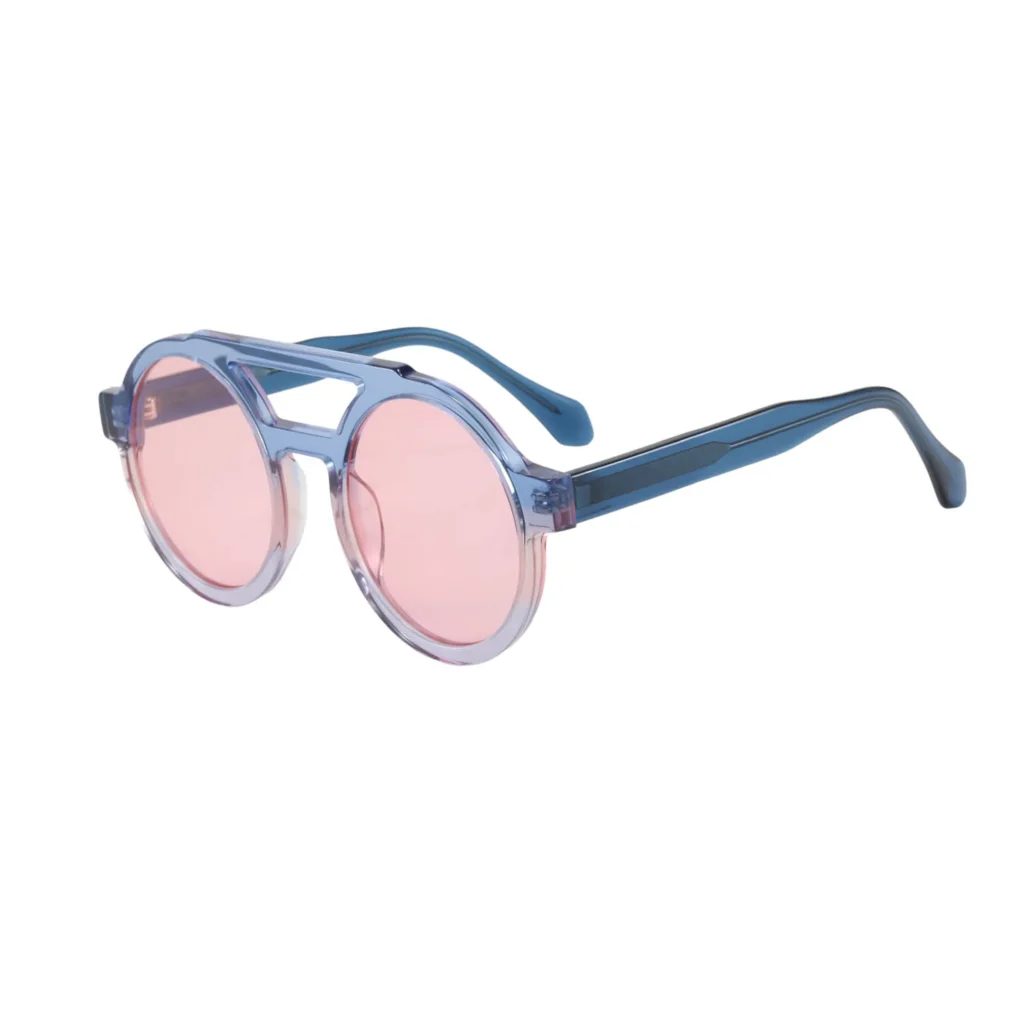
Convert two best-selling frames to store-exclusive colorways through a low-MOQ custom color program. Price comparison disappears, margin holds, and the wall stops looking like every other wall.
Before summer peak, run a small-batch sunwear capsule in two or three signature colors. If it sells through, reorder mid-season; if it stalls, the markdown damage is trivial compared with a deep seasonal buy.
Each scenario applies the same logic: small batch first, data second, scale third.
The U.S. eyewear market is worth US$69.5 billion — but growth is not evenly distributed. Retailers are increasingly rewarded for flexibility over volume, exclusivity over sameness, and cash discipline over shelf-filling.
Small-batch customization delivers all three:
The suppliers who serve this model — factories with in-house production, low MOQs (from 1 pair), mixed-batch flexibility and custom lens color programs from 20 pairs per color — are the strategic partners for the next phase of eyewear retail.
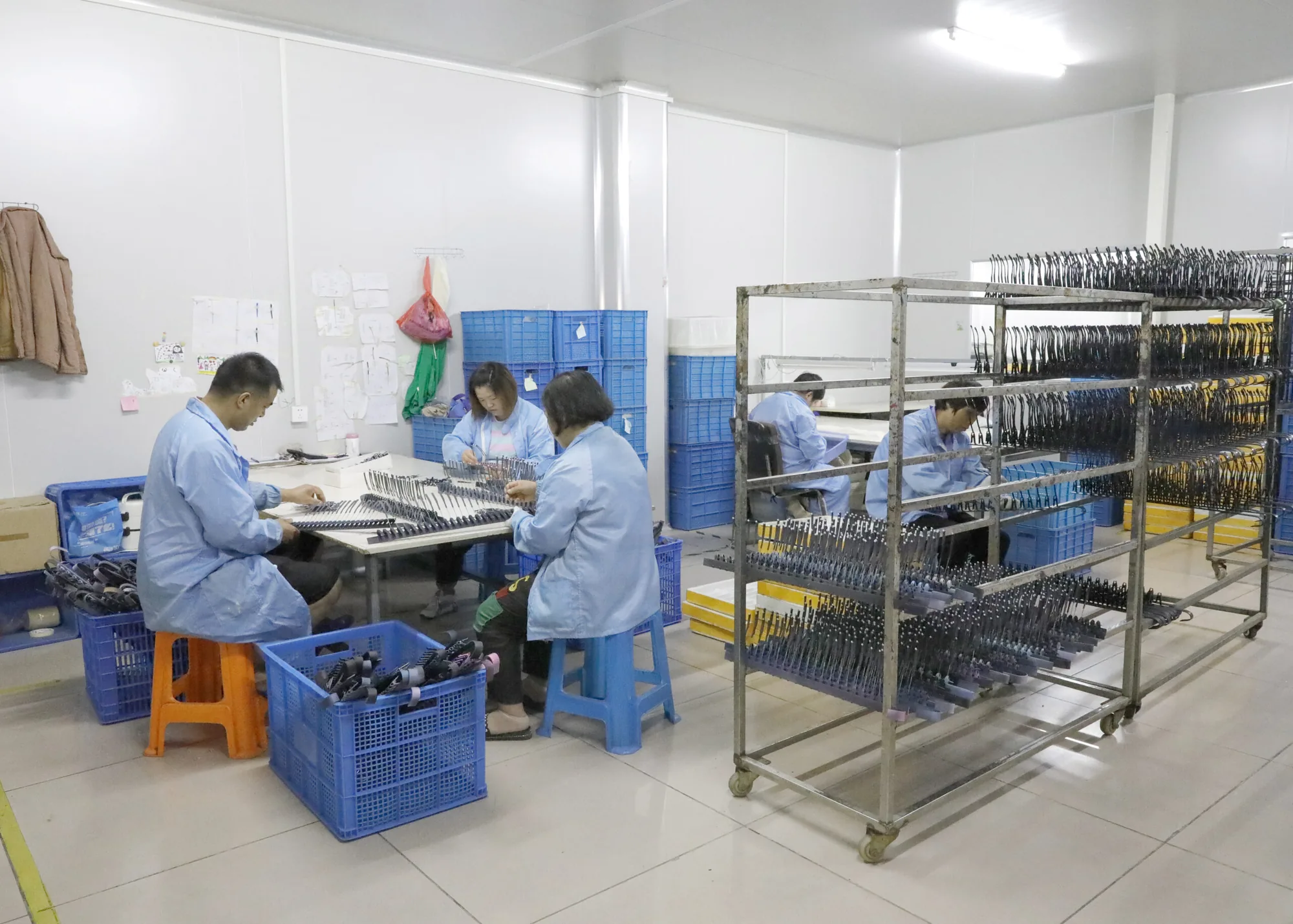
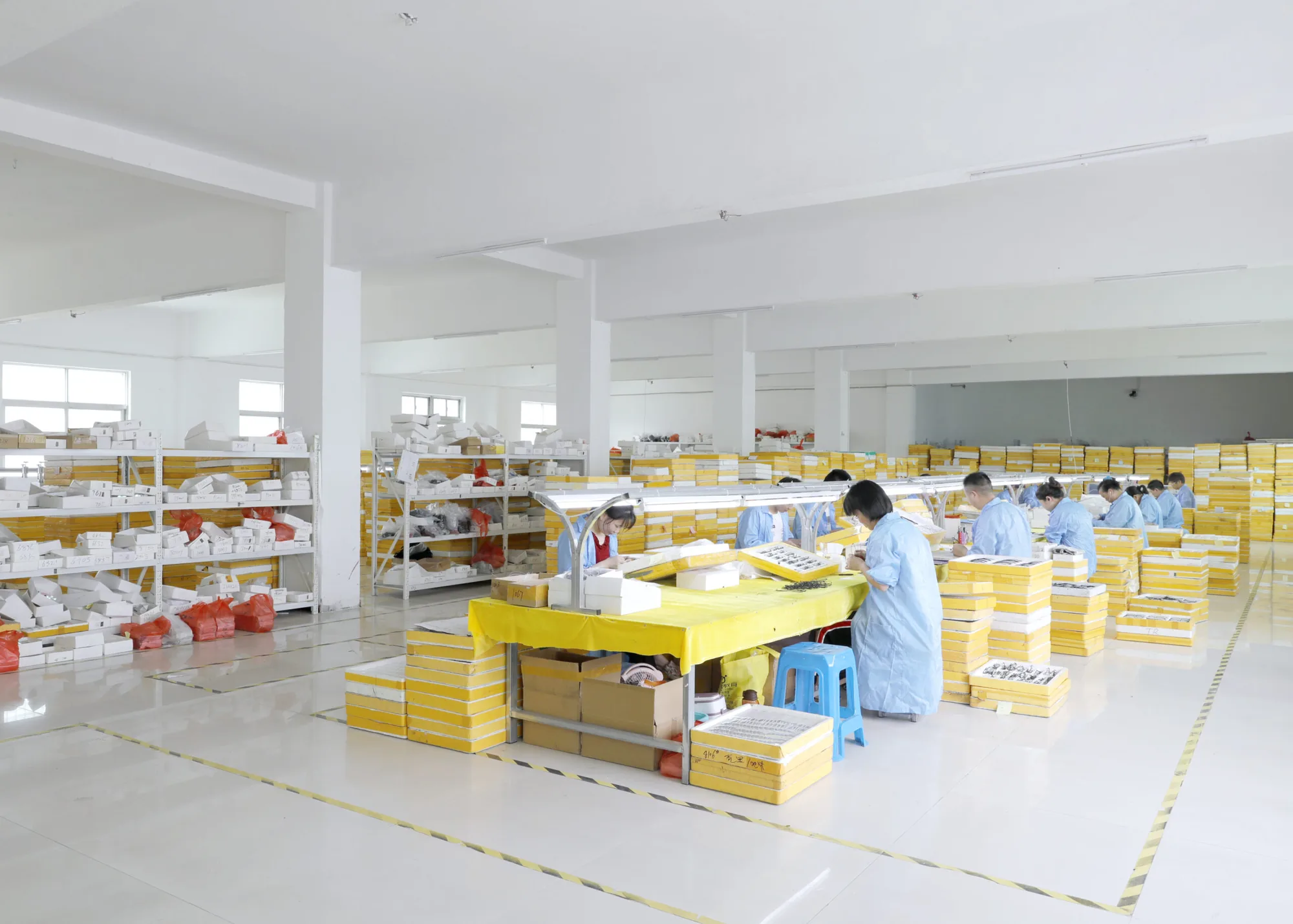
Daiqi Glasses is a Chinese eyewear manufacturer with in-house production covering acetate frames, injection molding, painting, assembly and packaging. We offer:
Request samples and a quote — and see what a flexible supply chain can do for your store’s bottom line.
In conventional eyewear manufacturing, MOQs typically range from 100 to 300 pairs per style for semi-custom orders, and 300 to 2,000+ pairs for full OEM development. A flexible supplier offering low MOQ can start from as few as 1 pair for ready-stock styles, with mixed-batch ordering across styles, colors and lens options in a single order.
Low MOQ reduces inventory risk and capital commitment. Instead of committing 300–500 pairs to untested styles, a retailer orders a small mixed batch, validates demand in-store, and reorders only what sells. This shortens the cash conversion cycle and reduces dead stock, which can otherwise cost a business up to 11% of its revenue.
Yes. While many factories require 100–300 pairs per lens color, flexible suppliers support custom lens colors from 20 pairs per color. This allows independent optical stores to create store-exclusive colorways and localized color assortments without large inventory commitments.
OEM (Original Equipment Manufacturer) means you provide the design or specifications and the factory manufactures to your requirements. ODM (Original Design Manufacturer) means the factory provides the design and you customize branding, colors and packaging. Both are supported by manufacturers like Daiqi Glasses, with MOQs depending on the level of customization.
With a low-MOQ supplier, a first mixed-batch order of 20–30 pairs can cost a few hundred dollars, compared with US$3,000–5,000 for a traditional opening buy. Unit prices depend on frame material, lens type, customization level and order quantity.
Figures are drawn from the following public sources and industry research:
Individual store results vary by market and assortment. Verify figures against current sources before citing exter
 Eyewear Retail Insights
 Eyewear Retail Insights
 Eyewear Retail Insights